Moissanite Or Diamond? Key Visual Differences Every Buyer Should Know
Have you ever found yourself standing in front of a jewelry display, contemplating whether to choose a moissanite or a diamond? Understanding the differences between these two stunning gemstones can feel overwhelming. Both have unique qualities and expressions, which is why it’s essential to arm yourself with the knowledge needed to make an informed choice.
The Basics: Moissanite vs. Diamond
When it comes to fine jewelry, diamonds have held the spotlight for generations. However, moissanite has gained significant popularity as a beautiful alternative. Both stones are capable of taking your breath away, but they differ in composition, appearance, and performance.
Origins and Composition
Diamonds are formed over millions of years deep within the Earth’s mantle, created from carbon atoms under extreme heat and pressure. They consist purely of carbon, making them incredibly durable and highly sought after.
Moissanite, on the other hand, was first discovered in a meteor crater in Arizona. It’s composed of silicon carbide, a material that is created under different conditions and is much newer to the jewelry market. Because of its unique origins, moissanite offers its own set of special features that distinguish it from diamonds.
Temperature and Ethical Considerations
If you’re concerned about the ethical implications surrounding diamonds, moissanite might resonate with your values. While natural diamonds can sometimes be associated with unethical mining practices, lab-created moissanite provides a conflict-free alternative. Both options allow for beautiful engagement rings and jewelry without compromising your ethical stance.
Visual Differences
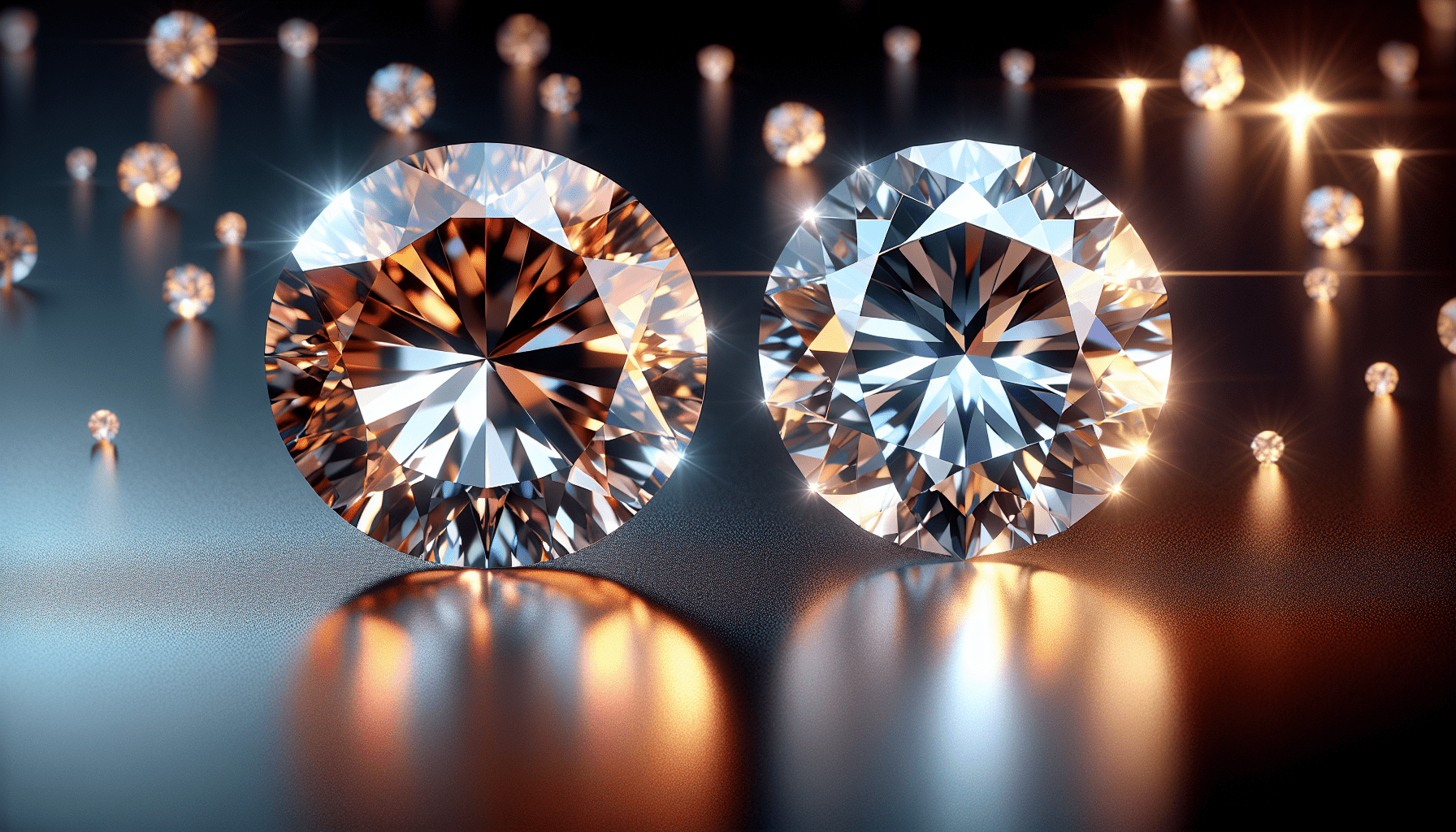
Understanding the visual differences between moissanite and diamond often informs purchasing decisions. Though both stones sparkle beautifully, they do so in different ways.
Brilliance and Sparkle
The brilliance of a gemstone refers to how well it reflects light, and this is one of the most noticeable differences you’ll see.
-
Diamond: Diamonds reflect light through a combination of brilliance and fire. The fire refers to the dispersion of light, which creates flashes of color. This unique quality can create a stunning visual effect.
-
Moissanite: Interestingly, moissanite tends to produce even more sparkle than diamonds, primarily because of its higher refractive index. The result? A dazzling, rainbow-like effect that can sometimes appear multi-faceted.
Color and Clarity
When shopping for a gemstone, color and clarity are crucial. These aspects help assess a stone’s quality and overall visual appeal.
- Color Grades: Diamonds come in a range of colors from colorless to shades of yellow or brown. The Gemological Institute of America (GIA) provides a color grading scale, where D (colorless) is the highest and Z (light yellow) is the lowest.
- Moissanite’s Color: Unlike diamonds, moissanite generally comes in a near-colorless or slightly tinted appearance, and options include colorless, near-colorless, and faint color. This spectrum provides options that cater to different tastes.
Clarity refers to the visibility of internal flaws or inclusions within the stone. Both diamonds and moissanite are available in various clarity grades, although moissanite tends to have fewer inclusions due to its lab-grown nature.
| Property | Diamond | Moissanite |
|---|---|---|
| Brilliance | High | Even Higher |
| Color Range | D (colorless) to Z (light yellow) | Near-colorless to faint color |
| Clarity | Varies greatly | Generally higher |
Cut and Shape
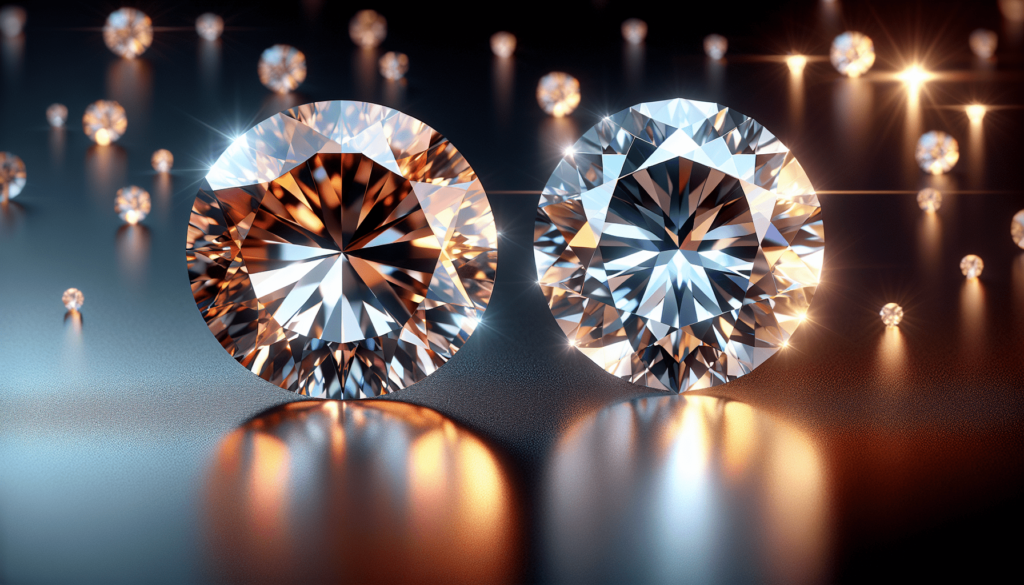
When it comes to cut, both diamonds and moissanite offer a variety of options. The cut of a gemstone determines how well it reflects light and can significantly impact its overall appearance.
-
Diamond Cuts: Round brilliant cut is the most popular for diamonds, though other shapes like princess, oval, and pear are also quite common. The cut quality influences how the light enters and exits the stone, making it sparkle.
-
Moissanite Cuts: Similarly, moissanite can be found in traditional cuts and innovative styles. You’ll find moissanite in classic shapes just like diamonds, with a preference for cuts that enhance its fire and brilliance.
Ultimately, whether you choose diamond or moissanite, the right cut can drastically elevate the beauty of the stone.
Durability and Hardness
When deciding between a diamond and moissanite, it’s crucial to consider durability. Both stones exhibit impressive hardness, making them suitable for everyday wear.
Mohs Scale of Hardness
Diamonds are rated a perfect 10 on the Mohs scale of hardness, making them the hardest known natural material.
Moissanite rates slightly lower at approximately 9.25, which still classifies it as an extremely hard gemstone suitable for engagement rings and other jewelry meant for daily use.
While moissanite is also tough and durable, it might show some signs of wear over a prolonged period compared to diamonds. So if you’re looking for a stone that will withstand everyday life with minimal maintenance, a diamond may be preferable.
Fire and Scintillation
Both diamonds and moissanite exhibit fire and scintillation, though they do so differently.
What is Fire?
Fire describes the colored light that disperses when white light passes through a gemstone. Moissanite generally displays a more pronounced fire, leading to colorful flashes that can be particularly appealing to many buyers.
Scintillation: The Sparkle Factor
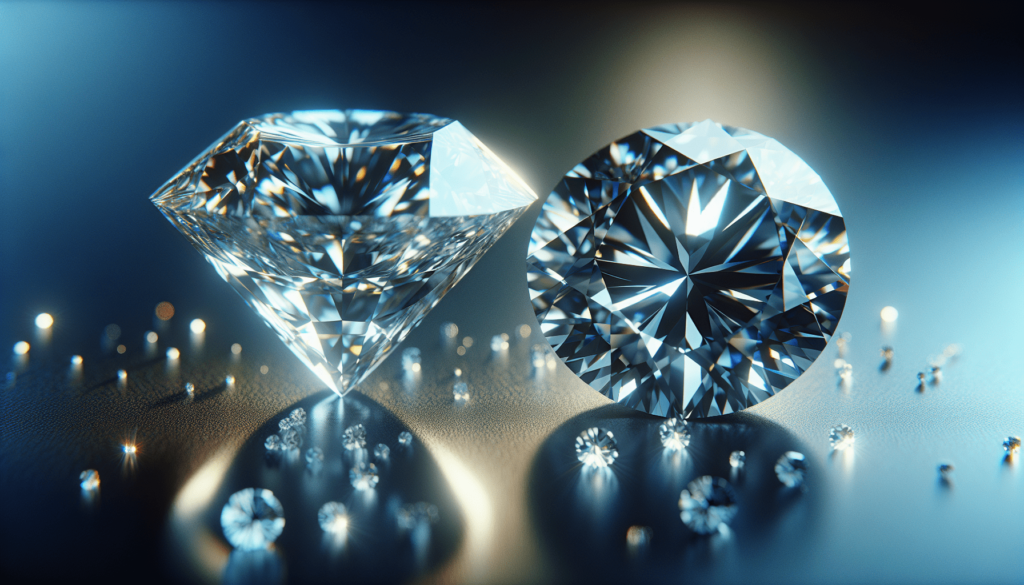
Scintillation refers to the flashes of light and dark that occur as a gemstone moves. Due to its higher refractive properties, moissanite tends to create a more noticeable scintillation effect when compared to diamonds.
This vibrant sparkle can lend an ethereal quality to moissanite, making it more attention-grabbing in certain lighting conditions.
Price Point
Budget plays a significant role when determining which gemstone is best for you.
Diamonds: An Investment
The price of diamonds can vary greatly depending on cut, clarity, carat weight, and color. Natural diamonds are often quite expensive, with prices that can soar into the tens of thousands for higher-quality stones.
Moissanite: Affordable Luxury
Moissanite offers a more budget-friendly option without sacrificing beauty. Typically, moissanite costs about 10-15% of what a comparable diamond would be. This makes it an attractive option for those looking for a stunning ring while being mindful of their budget.
Choosing the Right Setting
The setting can impact how the gemstone is perceived. While any setting can enhance the visual appeal of both diamonds and moissanite, some styles can truly showcase each stone’s unique qualities.
Classic and Timeless Settings
Solitaire settings highlight the beauty of a single stone, allowing the intricate details of both moissanite and diamonds to be the center of attention.
Vintage and Intricate Designs
Consider vintage settings for added character and charm. This can enhance the unique aspects of both gemstones and provide a striking antidote to contemporary minimalist styles.
Popularity and Trends
Both diamonds and moissanite have their own fan bases. Understanding the trends behind each can help inform your decision.
Diamonds: A Symbol of Tradition
Diamonds have long been entrenched in romantic traditions. They are often seen as an emblem of love and commitment, representing deep emotional connections and societal values around marriage.
Moissanite: The Modern Choice
In recent years, there has been a growing trend towards moissanite as couples become more open to alternatives. Moissanite has earned its reputation for offering stunning visuals and ethical production, attracting a younger, more conscious audience.
Maintenance and Care
Caring for your gemstones ensures they remain beautiful for a lifetime.
Cleaning Methods
Both diamonds and moissanite can be cleaned with mild soap, water, and a soft brush. However, you might find that moissanite shows a bit more wear over time and may require slightly more frequent cleaning to retain its sparkle.
Storage Suggestions
When not wearing your jewelry, always store both gemstones in a soft pouch or container to prevent scratches. It’s especially important if you own both types, as they can affect each other’s surfaces.
Conclusion: Making Your Choice
When it comes down to selecting between moissanite and diamond, you’ll find that both hold their own unique charm, beauty, and significance. Each has its advantages depending on your budget, ethical considerations, and personal preferences.
So, whether you are leaning towards the time-honored tradition of diamonds or the modern allure of moissanite, the most important thing is that your choice resonates with you. After all, your jewelry should reflect your personality, choices, and values, standing as a cherished reminder of your special moments.
By keeping these key differences in mind, you’re now better equipped to make a choice that not only looks beautiful but also feels right for you. Happy jewelry shopping!