Lab-Grown Diamond Rings: The Future of Jewellery
Have you ever dreamed of a gorgeous diamond ring but doubted its ethical and environmental implications? Look no further: the future of jewellery is in rings with lab-grown diamonds. These exquisite pieces exude the same beauty and brilliance as their mined counterparts and come with many benefits that make them a more sustainable and socially conscious option. In this article, we’ll delve into lab-grown diamond rings and discover why they’re becoming the preferred choice for many discerning people.
The Rise of Lab-Grown Diamonds
In recent years, the demand for lab-grown diamonds has skyrocketed, revolutionizing the jewellery industry as we know it. These diamonds are created through chemical vapor deposition, or high pressure and high temperature, replicating the conditions under which natural diamonds form deep in the Earth’s mantle. However, unlike their mined counterparts, lab-grown diamonds are produced under controlled laboratory conditions, eliminating the need for destructive mining methods. For more info, Learn More.
Ethical and environmental considerations
One of the most significant benefits of lab-grown diamond rings is their ethical and environmental significance. Traditional diamond mining is often associated with harsh working conditions, child labor and environmental destruction. In contrast, lab-grown diamonds are created responsibly and sustainably, without human rights violations or ecosystem damage. By choosing a lab-grown diamond ring, you can be sure that your purchase aligns with ethical and environmentally friendly practices.
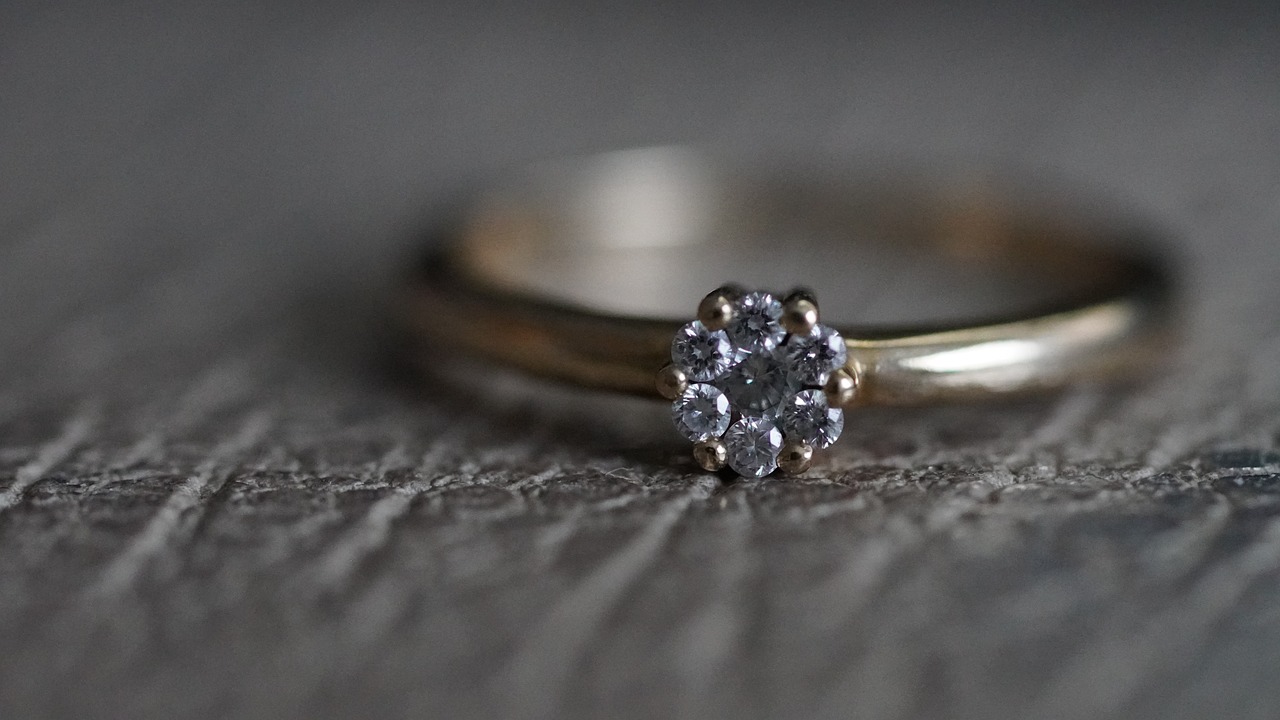 Moreover, lab-grown diamonds are not linked to conflicts related to “blood diamonds,” also known as “conflict diamonds,” which are mined in war zones and sold to finance armed conflicts against governments. By choosing a lab-grown diamond, you can be sure that your gemstone is not tainted by this dark origin, allowing you to wear the ring with a clear conscience.
The Science Behind Lab-Grown Diamonds
To better understand lab-grown diamonds, let’s closely examine the fascinating scientific process behind their creation. Chemical vapor deposition (CVD) and high pressure and high temperature (HPHT) are two main methods.
In the CVD method, a small diamond grain is placed in a chamber filled with a carbon-rich gas. With the help of microwave energy, the gas is ionized, and the carbon atoms are deposited layer by layer on the seed. Over time, this process produces a diamond chemically identical to its mined counterpart. On the other hand, the HPHT method involves exposing the diamond seed to extreme pressure and temperature, mimicking the natural conditions under which diamonds are formed. With either of these methods, lab technicians can produce stunning diamonds that meet the highest standards of beauty and quality.
Benefits of Lab-Grown Diamond Rings
Lab-grown diamond rings offer numerous benefits that set them apart from traditional mined diamonds. Their competitive prices make them more affordable for people with different budgets. While the value of natural diamonds comes from their scarcity, lab-grown diamonds can be produced in large quantities, making them more affordable without compromising on quality. This affordability allows people to own more significant, impressive diamonds without spending money.
Secondly, lab-grown diamonds are indistinguishable from natural diamonds with the naked eye. These diamonds have the same physical and chemical properties as their mined counterparts, guaranteeing the same brilliance, brilliance, and durability. Whether looking for a classic solitaire game or an intricate halo design, lab-grown diamonds offer endless possibilities to suit your style and preferences.
Third, lab-grown diamonds are available in various colors, including the highly sought-after fancy-color diamonds. Mined-colored diamonds are scarce and can be prohibitively expensive. However, lab-grown diamonds allow you to enjoy the beauty of colored diamonds ethically and affordably. Lab-grown options offer staggering choices, whether it’s a stunning blue diamond or a vibrant yellow diamond.…