CC Promote Diamond

Discover the Beauty of Certified, High-Quality Diamonds

Posted on

5 Reasons To Choose Lab-Grown Diamonds For Your Engagement Ring: Style, Sustainability, And Savings

What if you could have the perfect engagement ring that stands out because of its beauty and its story? Lab-grown diamonds have been making waves in the jewelry industry and for good reason. With their striking appearance and ethical implications, these gems add a modern touch to traditional symbols of love. Let’s discuss five compelling reasons that might just help you decide on a stunning lab-grown diamond engagement ring.

engagement rings Sydney

Style: The Beauty of Lab-Grown Diamonds

1. Sparkling Brilliance That Captivates

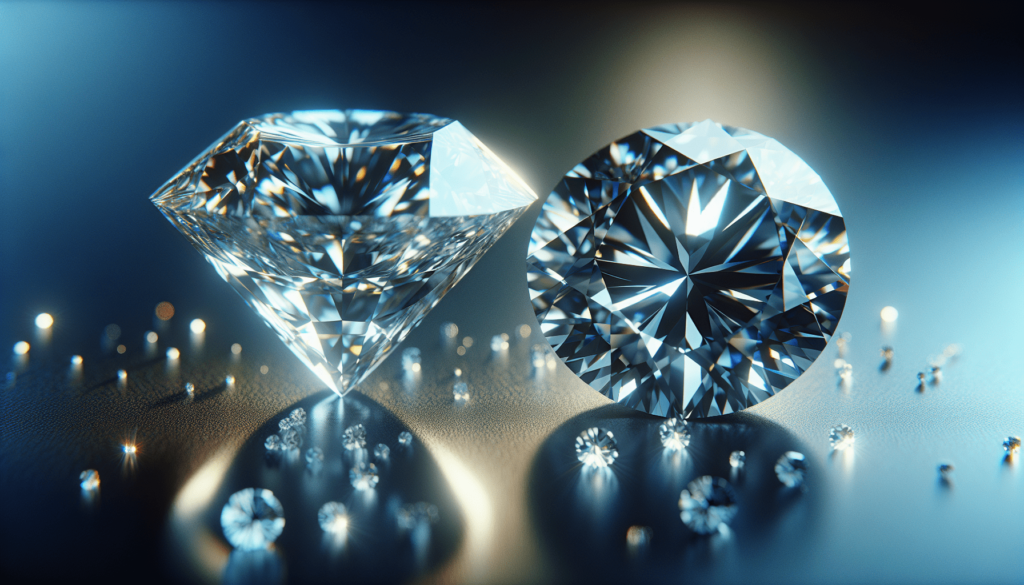
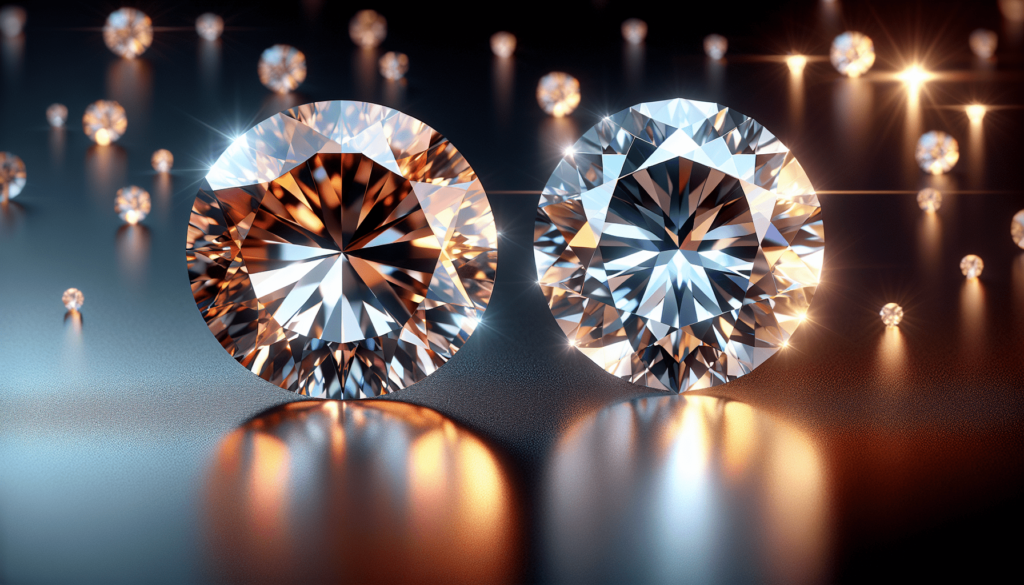
When it comes to style, you want an engagement ring that truly shines. Lab-grown diamonds are chemically and physically identical to natural diamonds. They offer the same brilliance and clarity thanks to their formation using the same processes that occur in nature. Whether you opt for a classic round cut or a trendy pear-shaped diamond, you can rest assured that the sparkle will be just as captivating.

2. Variety of Options

Lab-grown diamonds come in a wide range of shapes, sizes, and cuts, giving you plenty of options to choose from. You can select a diamond that reflects your personal style, whether you prefer vintage-inspired designs with intricate filigree or sleek, modern settings emphasizing the stone itself. Many jewelry brands also offer customizable options where you can pair the diamond with different metal settings, ensuring that your ring is as unique as your love story.

3. Affordability Without Compromise

You might be surprised to learn that lab-grown diamonds are typically 20% to 40% less expensive than their natural counterparts. This cost-effectiveness allows you to invest in a higher quality diamond without going over budget. Why settle for a smaller stone when you can afford something larger and more dazzling? Imagine being able to create a ring that symbolizes your love while keeping your finances in check.

4. Enhanced Color and Clarity

Lab-grown diamonds often possess fewer imperfections than natural diamonds. These gems can be carefully cultivated in controlled environments, resulting in higher quality. Unlike natural diamonds, which come with their own unique flaws, lab-grown options allow you to choose stones that meet your desired specifications for color and clarity. This means not only will you have a beautiful engagement ring, but you’ll also have peace of mind knowing you selected a gem of exceptional quality.

Sustainability: Love for the Planet

1. Ethical Considerations

More and more people are becoming concerned about the ethical implications of their purchases. Lab-grown diamonds provide a sense of assurance that your engagement ring is conflict-free. Traditional diamond mining often raises ethical questions, with concerns surrounding labor conditions and environmental degradation. By choosing a lab-grown diamond, you’re supporting sustainable practices and aligning your purchase with your values.

2. Environmental Impact

Mining for natural diamonds can be incredibly harmful to the environment. It involves removing large segments of land, which often leads to soil erosion, loss of habitats, and water contamination. In contrast, lab-grown diamonds minimize this impact. They require significantly fewer resources and create less waste during production, making them a more environmentally friendly choice. When you wear a lab-grown diamond, you’re not just showcasing a beautiful piece of jewelry—you’re also contributing to a sustainable future for our planet.

3. Increased Awareness and Demand

As awareness of sustainable choices grows, so does the demand for lab-grown diamonds. By choosing one, you’re joining a movement that champions ethical and ecological practices within the jewelry industry. This rising demand encourages more retailers to focus on sourcing lab-grown materials, further influencing the market toward sustainability. Your choice not only reflects your individual taste but also promotes broader changes in the industry.

5 Reasons To Choose Lab-Grown Diamonds For Your Engagement Ring: Style, Sustainability, And Savings

See the 5 Reasons To Choose Lab-Grown Diamonds For Your Engagement Ring: Style, Sustainability, And Savings in detail.

Savings: Financial Wisdom

1. Get More for Your Money

As mentioned earlier, lab-grown diamonds are generally less expensive. This means choosing a lab-grown diamond allows you to either purchase a larger stone or allocate the savings toward other aspects of your engagement, such as a stunning setting or even a beautiful wedding. Think of what you could do with those extra funds: an unforgettable honeymoon or a down payment on your first home together perhaps?

2. Increased Resale Value

While it’s difficult to predict the future resale value of any diamond, lab-grown diamonds have shown stability in market pricing. They are gaining recognition and credibility, which may make them more valuable over time. As societal perceptions continue to shift, and as lab-grown diamonds become more mainstream, their value in resale could increase more prominently than before.

3. Lower Maintenance Costs

In addition to the initial savings, lab-grown diamonds usually require less maintenance than natural stones. Their clarity often means you won’t have to worry about regular cleanings to maintain their brilliance, reducing upkeep costs. So not only will you save money upfront, but your engagement ring could also save you more in the long run. A smart investment, right?

The Emotional Connection

1. A Story of Innovation

When you choose a lab-grown diamond, you’re not just selecting beautiful jewelry; you’re also embracing a story of technological innovation. These diamonds represent the blend of nature and science, which can parallel your love story. The formation of lab-grown diamonds can be seen as a metaphor for your relationship—beautiful, strong, and the result of care and dedication.

2. Personal Touch

Just like traditional engagement rings, lab-grown diamonds can carry a significant weight of emotion. You can choose stones that relate to significant dates in your life, whether it’s the month you met or an anniversary. Many couples also personalize the way they present the ring to enhance the story behind it. Each ring, no matter how it is created, carries a unique story of love, promise, and commitment.

3. A Modern Choice for Modern Love

In many ways, selecting a lab-grown diamond represents a modern approach to an age-old tradition. Your choice highlights a forward-thinking mindset and an embrace of the present. Many people find that lab-grown diamonds resonate more with the values of today’s culture, including sustainability and responsibility. Sharing this modern understanding of love may enhance the connection you and your partner feel towards the ring you choose.

5 Reasons To Choose Lab-Grown Diamonds For Your Engagement Ring: Style, Sustainability, And Savings

Conclusion

Choosing the right engagement ring should reflect your unique love story while taking into account style, sustainability, and savings. Lab-grown diamonds offer an exceptional balance between beauty and responsibility, allowing you to showcase your commitment without compromising your values. The affordability aspect and quality ensure that you can find the perfect stone without breaking the bank. Ultimately, your choice in a lab-grown diamond may not only signify love but also a conscious decision towards a more sustainable future.

Should you opt for a lab-grown diamond, you will take pride in wearing a piece of jewelry that embodies innovation, ethics, and elegance. And who wouldn’t want that kind of symbolism in crafting a lifelong partnership? As you embark on the journey of selecting an engagement ring, let the reasons stand tall in your decision-making process. Your ring can shine just as brilliantly as the love it represents. So why not start this new chapter with confidence, care, and most importantly, a diamond that reflects your values?
Diamond Rings Sydney

Posted on

Moissanite Or Diamond? Key Visual Differences Every Buyer Should Know

Have you ever found yourself standing in front of a jewelry display, contemplating whether to choose a moissanite or a diamond? Understanding the differences between these two stunning gemstones can feel overwhelming. Both have unique qualities and expressions, which is why it’s essential to arm yourself with the knowledge needed to make an informed choice.

Moissanite vs Diamond

The Basics: Moissanite vs. Diamond

When it comes to fine jewelry, diamonds have held the spotlight for generations. However, moissanite has gained significant popularity as a beautiful alternative. Both stones are capable of taking your breath away, but they differ in composition, appearance, and performance.

Origins and Composition

Diamonds are formed over millions of years deep within the Earth’s mantle, created from carbon atoms under extreme heat and pressure. They consist purely of carbon, making them incredibly durable and highly sought after.

Moissanite, on the other hand, was first discovered in a meteor crater in Arizona. It’s composed of silicon carbide, a material that is created under different conditions and is much newer to the jewelry market. Because of its unique origins, moissanite offers its own set of special features that distinguish it from diamonds.

Temperature and Ethical Considerations

If you’re concerned about the ethical implications surrounding diamonds, moissanite might resonate with your values. While natural diamonds can sometimes be associated with unethical mining practices, lab-created moissanite provides a conflict-free alternative. Both options allow for beautiful engagement rings and jewelry without compromising your ethical stance.

Visual Differences

Understanding the visual differences between moissanite and diamond often informs purchasing decisions. Though both stones sparkle beautifully, they do so in different ways.

Brilliance and Sparkle

The brilliance of a gemstone refers to how well it reflects light, and this is one of the most noticeable differences you’ll see.

  • Diamond: Diamonds reflect light through a combination of brilliance and fire. The fire refers to the dispersion of light, which creates flashes of color. This unique quality can create a stunning visual effect.

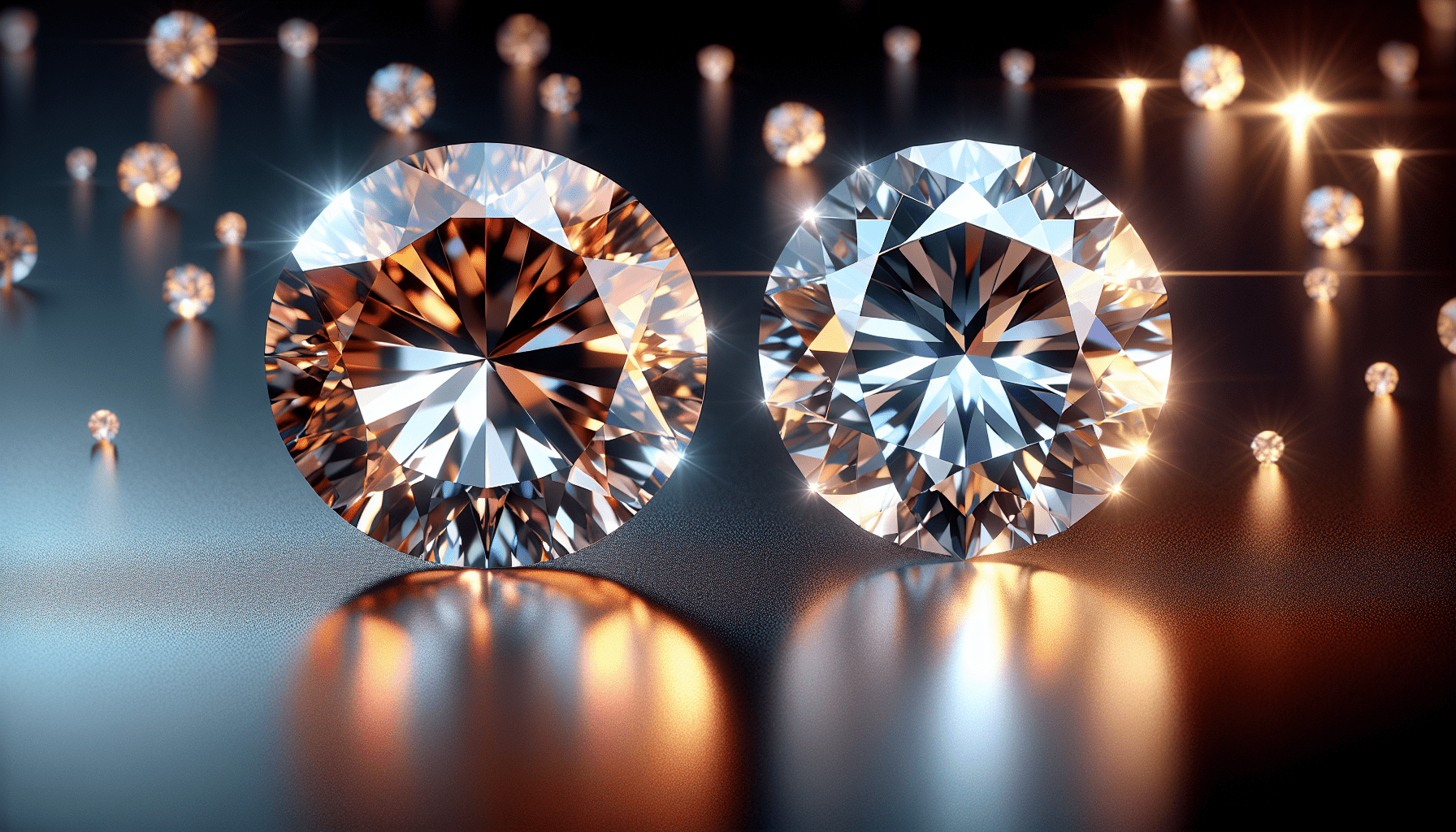
  • Moissanite: Interestingly, moissanite tends to produce even more sparkle than diamonds, primarily because of its higher refractive index. The result? A dazzling, rainbow-like effect that can sometimes appear multi-faceted.

Color and Clarity

When shopping for a gemstone, color and clarity are crucial. These aspects help assess a stone’s quality and overall visual appeal.

  • Color Grades: Diamonds come in a range of colors from colorless to shades of yellow or brown. The Gemological Institute of America (GIA) provides a color grading scale, where D (colorless) is the highest and Z (light yellow) is the lowest.
  • Moissanite’s Color: Unlike diamonds, moissanite generally comes in a near-colorless or slightly tinted appearance, and options include colorless, near-colorless, and faint color. This spectrum provides options that cater to different tastes.

Clarity refers to the visibility of internal flaws or inclusions within the stone. Both diamonds and moissanite are available in various clarity grades, although moissanite tends to have fewer inclusions due to its lab-grown nature.

Property Diamond Moissanite
Brilliance High Even Higher
Color Range D (colorless) to Z (light yellow) Near-colorless to faint color
Clarity Varies greatly Generally higher

Cut and Shape

When it comes to cut, both diamonds and moissanite offer a variety of options. The cut of a gemstone determines how well it reflects light and can significantly impact its overall appearance.

  • Diamond Cuts: Round brilliant cut is the most popular for diamonds, though other shapes like princess, oval, and pear are also quite common. The cut quality influences how the light enters and exits the stone, making it sparkle.

  • Moissanite Cuts: Similarly, moissanite can be found in traditional cuts and innovative styles. You’ll find moissanite in classic shapes just like diamonds, with a preference for cuts that enhance its fire and brilliance.

Ultimately, whether you choose diamond or moissanite, the right cut can drastically elevate the beauty of the stone.

Moissanite Or Diamond? Key Visual Differences Every Buyer Should Know

Moi Moi Moissanite Vs Diamond

Durability and Hardness

When deciding between a diamond and moissanite, it’s crucial to consider durability. Both stones exhibit impressive hardness, making them suitable for everyday wear.

Mohs Scale of Hardness

Diamonds are rated a perfect 10 on the Mohs scale of hardness, making them the hardest known natural material.

Moissanite rates slightly lower at approximately 9.25, which still classifies it as an extremely hard gemstone suitable for engagement rings and other jewelry meant for daily use.

While moissanite is also tough and durable, it might show some signs of wear over a prolonged period compared to diamonds. So if you’re looking for a stone that will withstand everyday life with minimal maintenance, a diamond may be preferable.

Fire and Scintillation

Both diamonds and moissanite exhibit fire and scintillation, though they do so differently.

What is Fire?

Fire describes the colored light that disperses when white light passes through a gemstone. Moissanite generally displays a more pronounced fire, leading to colorful flashes that can be particularly appealing to many buyers.

Scintillation: The Sparkle Factor

Scintillation refers to the flashes of light and dark that occur as a gemstone moves. Due to its higher refractive properties, moissanite tends to create a more noticeable scintillation effect when compared to diamonds.

This vibrant sparkle can lend an ethereal quality to moissanite, making it more attention-grabbing in certain lighting conditions.

Moissanite Or Diamond? Key Visual Differences Every Buyer Should Know

Price Point

Budget plays a significant role when determining which gemstone is best for you.

Diamonds: An Investment

The price of diamonds can vary greatly depending on cut, clarity, carat weight, and color. Natural diamonds are often quite expensive, with prices that can soar into the tens of thousands for higher-quality stones.

Moissanite: Affordable Luxury

Moissanite offers a more budget-friendly option without sacrificing beauty. Typically, moissanite costs about 10-15% of what a comparable diamond would be. This makes it an attractive option for those looking for a stunning ring while being mindful of their budget.

Choosing the Right Setting

The setting can impact how the gemstone is perceived. While any setting can enhance the visual appeal of both diamonds and moissanite, some styles can truly showcase each stone’s unique qualities.

Classic and Timeless Settings

Solitaire settings highlight the beauty of a single stone, allowing the intricate details of both moissanite and diamonds to be the center of attention.

Vintage and Intricate Designs

Consider vintage settings for added character and charm. This can enhance the unique aspects of both gemstones and provide a striking antidote to contemporary minimalist styles.

Popularity and Trends

Both diamonds and moissanite have their own fan bases. Understanding the trends behind each can help inform your decision.

Diamonds: A Symbol of Tradition

Diamonds have long been entrenched in romantic traditions. They are often seen as an emblem of love and commitment, representing deep emotional connections and societal values around marriage.

Moissanite: The Modern Choice

In recent years, there has been a growing trend towards moissanite as couples become more open to alternatives. Moissanite has earned its reputation for offering stunning visuals and ethical production, attracting a younger, more conscious audience.

Maintenance and Care

Caring for your gemstones ensures they remain beautiful for a lifetime.

Cleaning Methods

Both diamonds and moissanite can be cleaned with mild soap, water, and a soft brush. However, you might find that moissanite shows a bit more wear over time and may require slightly more frequent cleaning to retain its sparkle.

Storage Suggestions

When not wearing your jewelry, always store both gemstones in a soft pouch or container to prevent scratches. It’s especially important if you own both types, as they can affect each other’s surfaces.

Conclusion: Making Your Choice

When it comes down to selecting between moissanite and diamond, you’ll find that both hold their own unique charm, beauty, and significance. Each has its advantages depending on your budget, ethical considerations, and personal preferences.

So, whether you are leaning towards the time-honored tradition of diamonds or the modern allure of moissanite, the most important thing is that your choice resonates with you. After all, your jewelry should reflect your personality, choices, and values, standing as a cherished reminder of your special moments.

By keeping these key differences in mind, you’re now better equipped to make a choice that not only looks beautiful but also feels right for you. Happy jewelry shopping!

Moissanite vs Diamond

Lab-Grown Diamond Rings: The Future of Jewellery

Have you ever dreamed of a gorgeous diamond ring but doubted its ethical and environmental implications? Look no further: the future of jewellery is in rings with lab-grown diamonds. These exquisite pieces exude the same beauty and brilliance as their mined counterparts and come with many benefits that make them a more sustainable and socially conscious option. In this article, we’ll delve into lab-grown diamond rings and discover why they’re becoming the preferred choice for many discerning people.

The Rise of Lab-Grown Diamonds

In recent years, the demand for lab-grown diamonds has skyrocketed, revolutionizing the jewellery industry as we know it. These diamonds are created through chemical vapor deposition, or high pressure and high temperature, replicating the conditions under which natural diamonds form deep in the Earth’s mantle. However, unlike their mined counterparts, lab-grown diamonds are produced under controlled laboratory conditions, eliminating the need for destructive mining methods. For more info, Learn More.

Ethical and environmental considerations

One of the most significant benefits of lab-grown diamond rings is their ethical and environmental significance. Traditional diamond mining is often associated with harsh working conditions, child labor and environmental destruction. In contrast, lab-grown diamonds are created responsibly and sustainably, without human rights violations or ecosystem damage. By choosing a lab-grown diamond ring, you can be sure that your purchase aligns with ethical and environmentally friendly practices.

Moreover, lab-grown diamonds are not linked to conflicts related to “blood diamonds,” also known as “conflict diamonds,” which are mined in war zones and sold to finance armed conflicts against governments. By choosing a lab-grown diamond, you can be sure that your gemstone is not tainted by this dark origin, allowing you to wear the ring with a clear conscience.

The Science Behind Lab-Grown Diamonds

To better understand lab-grown diamonds, let’s closely examine the fascinating scientific process behind their creation. Chemical vapor deposition (CVD) and high pressure and high temperature (HPHT) are two main methods.

In the CVD method, a small diamond grain is placed in a chamber filled with a carbon-rich gas. With the help of microwave energy, the gas is ionized, and the carbon atoms are deposited layer by layer on the seed. Over time, this process produces a diamond chemically identical to its mined counterpart. On the other hand, the HPHT method involves exposing the diamond seed to extreme pressure and temperature, mimicking the natural conditions under which diamonds are formed. With either of these methods, lab technicians can produce stunning diamonds that meet the highest standards of beauty and quality.

Benefits of Lab-Grown Diamond Rings

Lab-grown diamond rings offer numerous benefits that set them apart from traditional mined diamonds. Their competitive prices make them more affordable for people with different budgets. While the value of natural diamonds comes from their scarcity, lab-grown diamonds can be produced in large quantities, making them more affordable without compromising on quality. This affordability allows people to own more significant, impressive diamonds without spending money.

Secondly, lab-grown diamonds are indistinguishable from natural diamonds with the naked eye. These diamonds have the same physical and chemical properties as their mined counterparts, guaranteeing the same brilliance, brilliance, and durability. Whether looking for a classic solitaire game or an intricate halo design, lab-grown diamonds offer endless possibilities to suit your style and preferences.

Third, lab-grown diamonds are available in various colors, including the highly sought-after fancy-color diamonds. Mined-colored diamonds are scarce and can be prohibitively expensive. However, lab-grown diamonds allow you to enjoy the beauty of colored diamonds ethically and affordably. Lab-grown options offer staggering choices, whether it’s a stunning blue diamond or a vibrant yellow diamond.…

Diamond Ring: How To Choose and How to Wear It Fashionably

Diamonds are often set in a white gold setting: it is believed that the cold metal perfectly emphasizes the natural color of perfectly pure, transparent stones. In addition, due to the palladium, nickel or platinum content, white gold is one of the most wear-resistant materials, as good as the diamond itself.

Diamonds look more delicate in lemon or rose gold – this combination is considered incredibly feminine. If it is difficult to choose, take a closer look at sintering models made of an alloy of two shades of metal or combine a cold and warm tone of gold in one set of rings. But silver is practically not encrusted with diamonds: this soft metal holds hard stones worse.

Decide on a ring model.

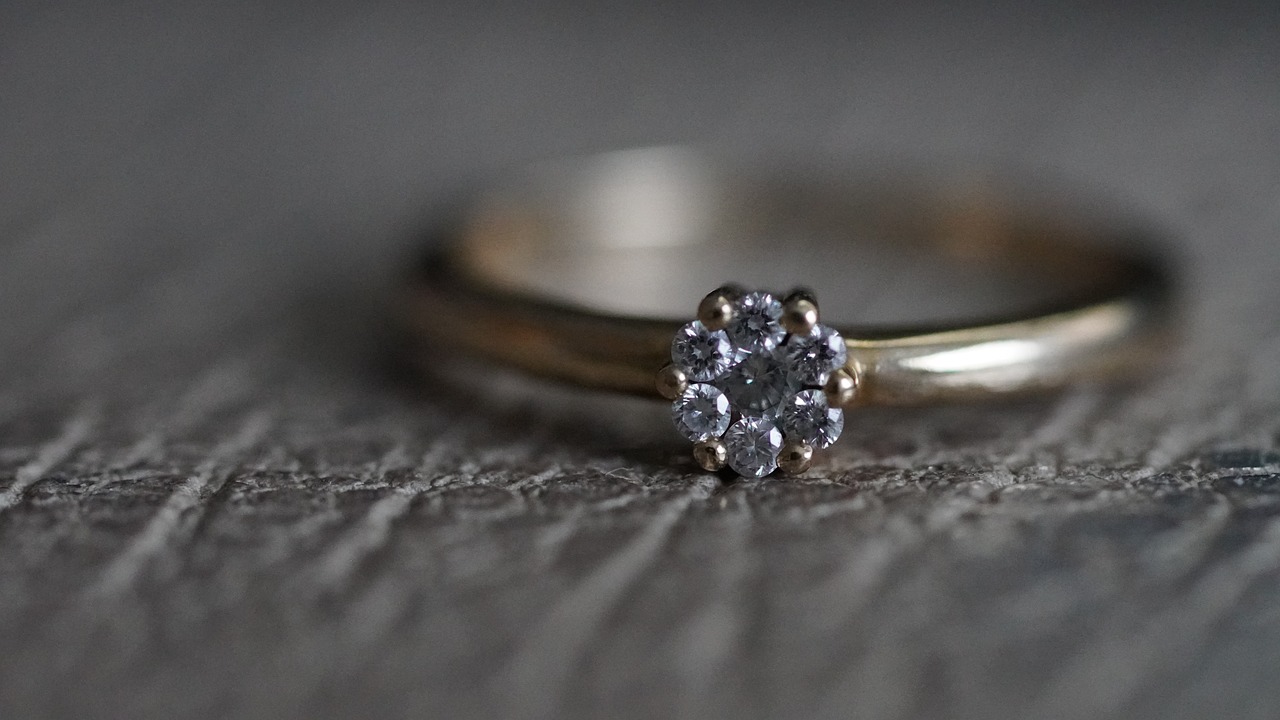
Tapeworm. We say “diamond ring”; imagine a solitaire. This model with one central insert is associated with engagement classics: solitaires are given the only one with whom they will live together for the rest of their lives. However, such a model may well exist in your jewellery wardrobe without reference to the wedding: it is universal, and you can wear such a ring literally without taking it off.

Ring of Eternity. Rings with a continuous diamond path around the circumference symbolize eternal love – without beginning and end. In the XVIII century, they were called “storage”: they were put on the ring finger over the wedding rings so they would not slip. Today, the eternity ring is chosen not from a practical point of view but because of its beauty; their price is more affordable than that of a product with one large stone. Learn more.

Halo. Elegant solitaire: the central stone in this model is surrounded by a pavé of small diamonds, which visually add size and weight to it. Halo rings appeared in the 20s of the last century, in the Art Deco era, and are named after the optical phenomenon of the same name, halo, when a glow in the form of a “halo” is formed around the Sun.

Remember the 4C rule